Direct-to-film (DTF) printing has quickly become a go-to in the crafting world, and it’s easy to see why. DTF produces vibrant, professional-quality designs that you can add to textile blanks with ease. However, you do need to consider DTF safety when deciding whether a DTF printer is right for you.
While DTF results are impressive, there are important safety and health considerations you need to be aware of, especially if you're looking to do DTF printing in your home.
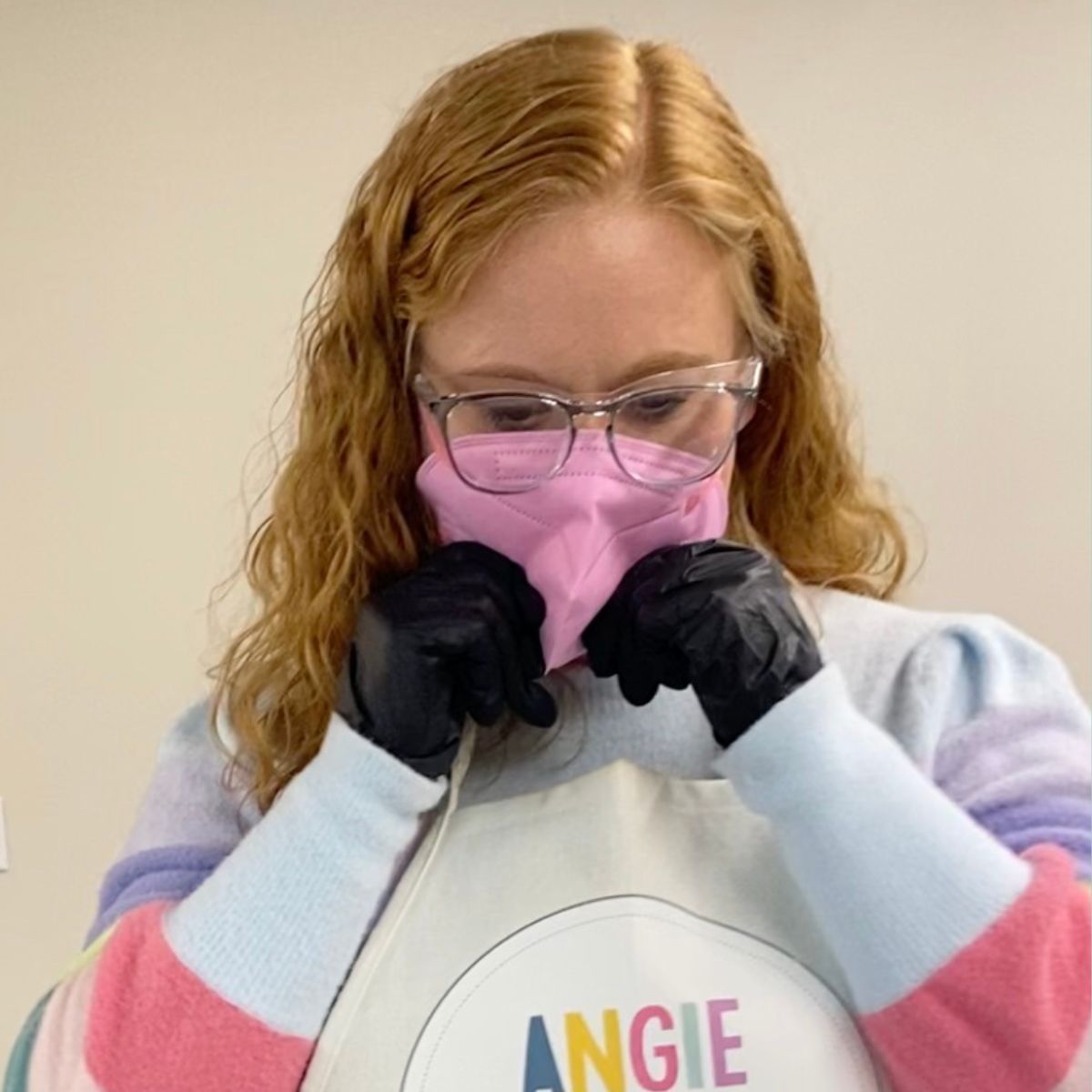
If you’ve wondered about DTF printing or have seen the “hacks” using sublimation or inkjet printers, it’s important to understand the potential health risks before you start. You will never find me doing or recommending any of the DTF printing hacks on my channel.
Don't worry, though, I am sharing safe ways to use DTF, whether you own a DTF printer or order prints.
What Is DTF Printing?
DTF stands for “direct to film,” and the process uses a special printer and ink to print onto film. While the ink is still wet, a fine powder adhesive is applied and then cured with heat, which bonds the powder to the ink.
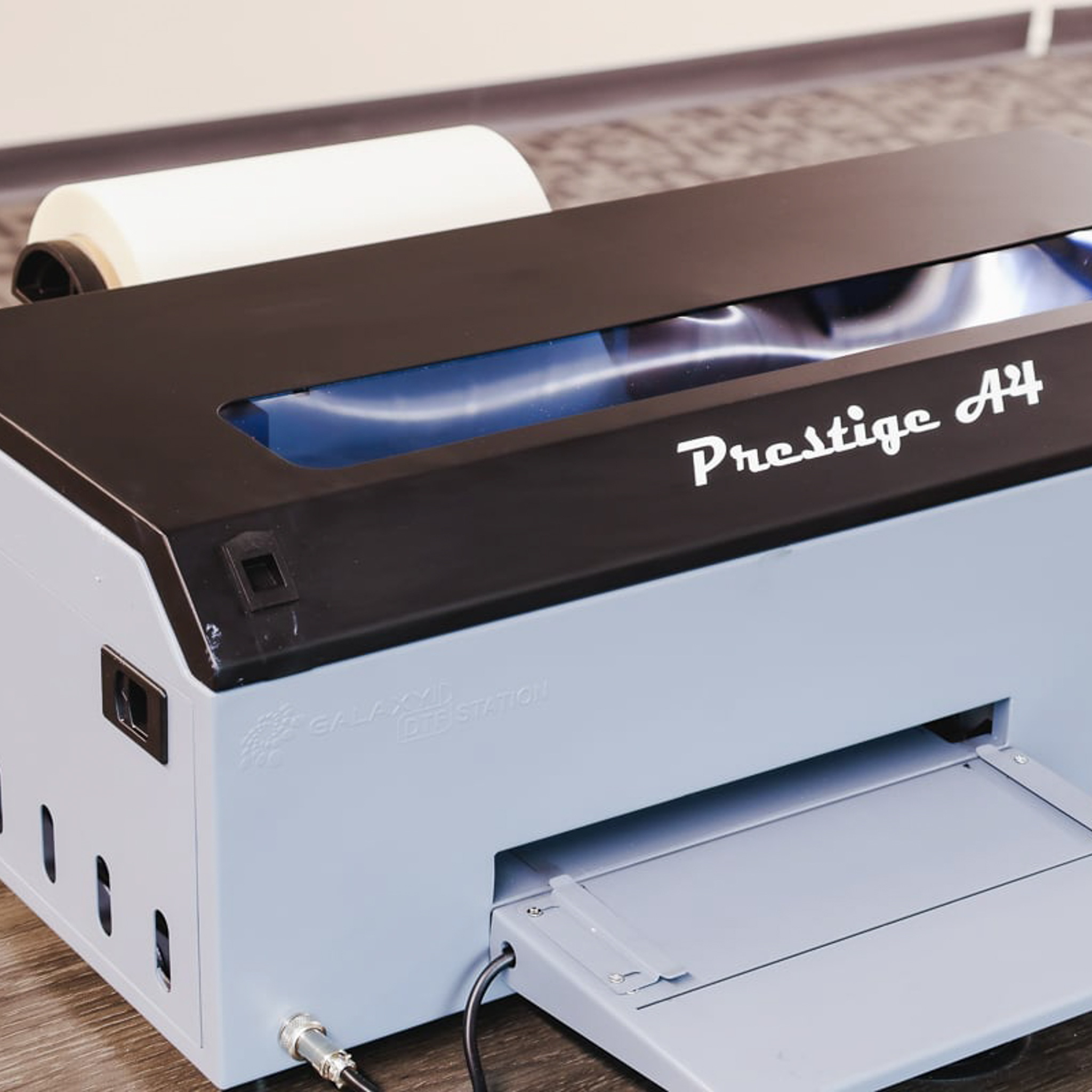
After the print is cured, it can be pressed right away or stored to use at a later date. Making it a great option for people who want to sell DTF prints along with finished products.
Traditional DTF Printing
With a traditional DTF printer, you'll print on the film, and the ink comes out wet. You'll carefully move the print to a different area and manually add the adhesive powder to the ink. To cure the ink, the print is placed in a DTF oven.
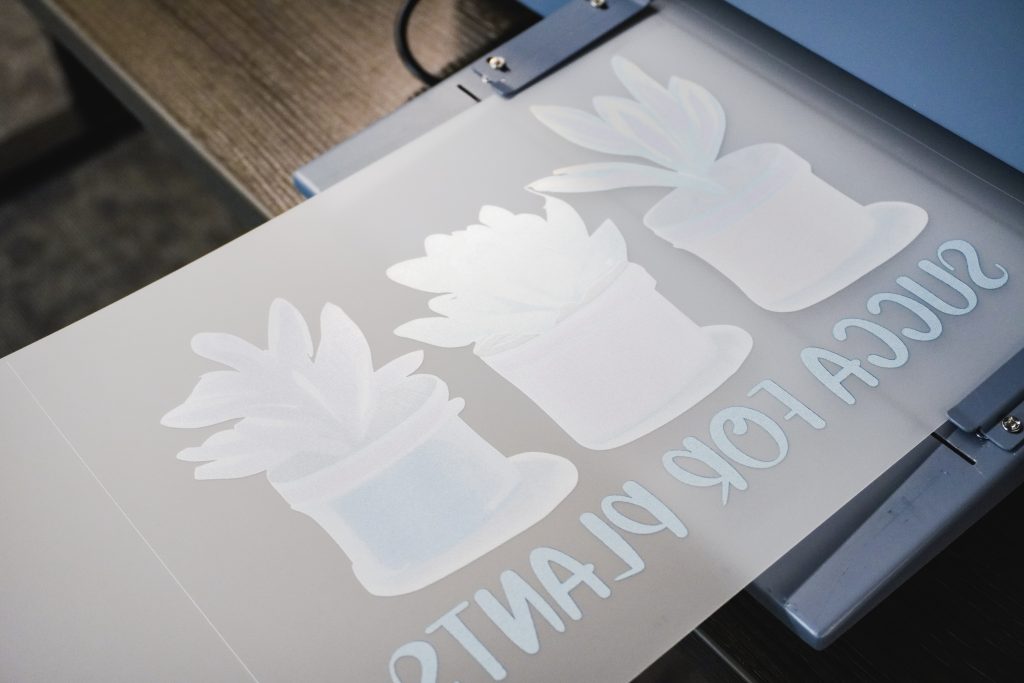
In commercial setups, the process is streamlined with special equipment. The safety concerns come into play when people try to replicate the process using different printers and heat sources.
DTF Printing Hacks
As DTF prints have become more popular, different hacks have popped up all over YouTube and social media.
These hacks involve printing with inkjet or sublimation printers and curing the DTF adhesive powder using a heat press in an open area.
I do not recommend any of the DTF printing hacks. To be honest, for me and my craft space, a traditional DTF printer requires a lot of maintenance, and the safety issues make it something I don't feel comfortable having in my home.
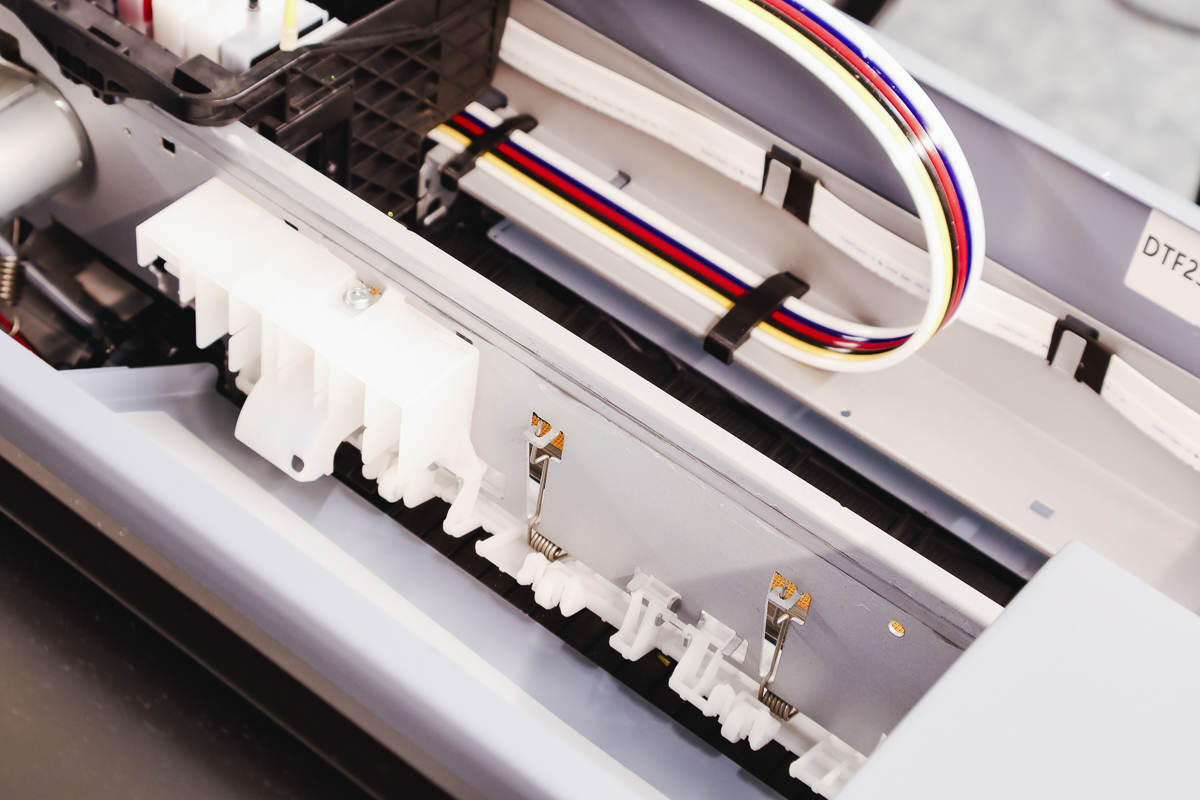
There are safer options that are self-contained. They print, powder, and cure all in one system, automatically. I'll talk more about those options below.
DTF Printing Health Concerns
DTF adhesive powder is made up of extremely fine microplastics. Because of their size, they can easily become airborne during the application process. When inhaled, they can enter your respiratory system, which has me concerned about long-term health effects.
When the powder is heated during the curing process, fumes are released. Without proper ventilation, these fumes can linger in your craft space.
Why Common DTF Hacks Can Be Unsafe
Because of these concerns, I don't recommend hacks that include using a sublimation printer to print, adding the powder in a container, and curing with an open heat press.
I also won't have a DTF printer in my home that has a manual powder process.
A few years ago, I went to Heat Transfer Warehouse to learn all about the DTF printing process. The printers they used required manual powdering, and even though we wore safety gear, the powder got everywhere.
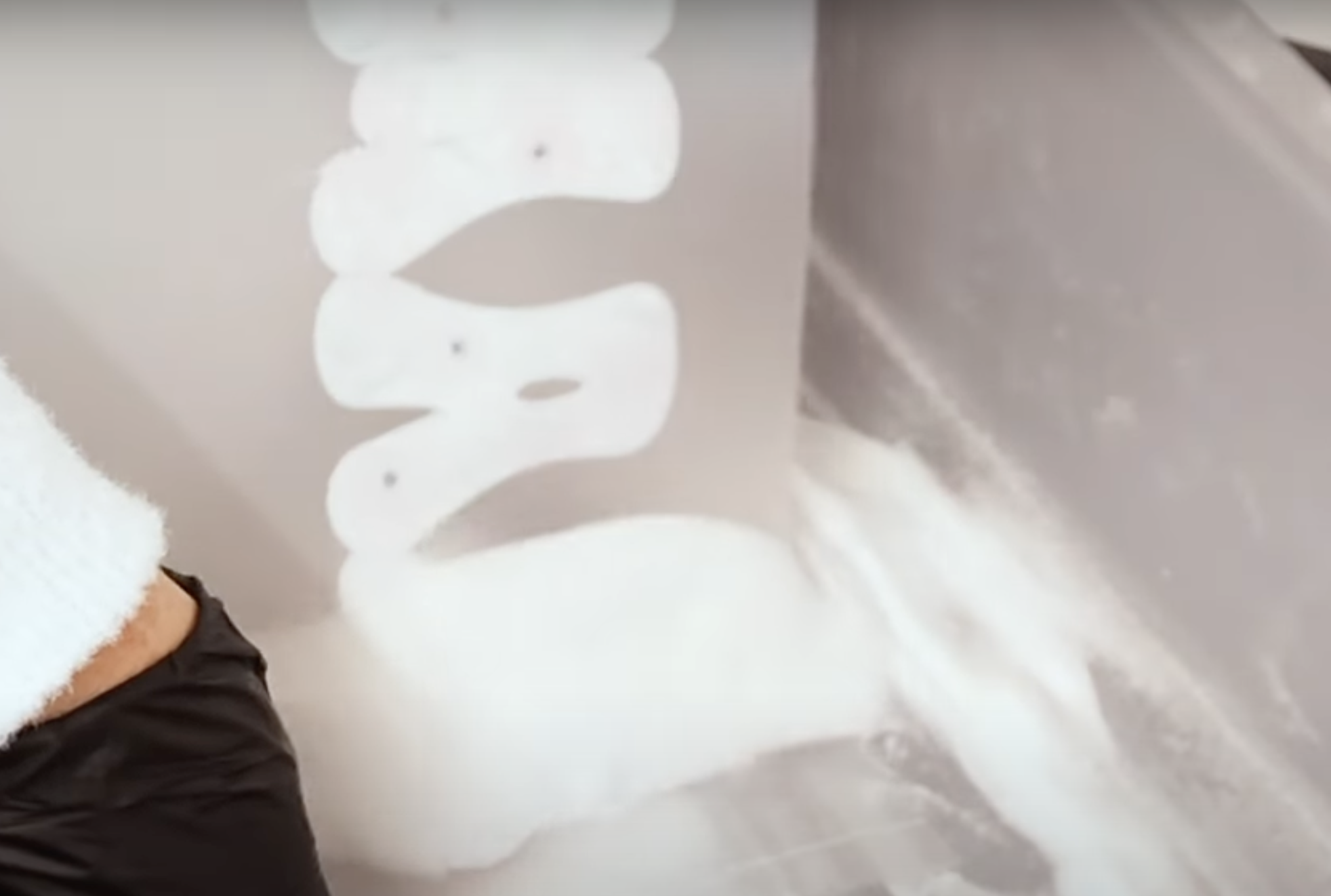
I can't imagine doing that in my home or in a craft area that wasn't specifically for that process. Because of how small those particles are, you risk exposing not only yourself but also your family and pets.
While these hacks may seem convenient and cost-effective, they often skip critical safety measures.
Even if you can’t see it, the powder can settle on surfaces, stay in the air, and continue to be inhaled over time.
DTF powder is meant to be cured in an oven with an air filtration system.
Heat presses are not designed to contain or ventilate the fumes from the adhesive powder. As the powder cures, fumes are released directly into your environment, increasing exposure risks.
To put it simply, if your setup isn't properly ventilated and your materials aren't properly contained, I don't think it's safe to use in your home.
Safer DTF Printing Alternatives for Crafters
I don't want you to think DTF projects are off the table if you don't have the perfect setup. There are safer options for everyone, whether you want to own a printer yourself or order prints from others. Here are a couple of options to consider:
1. Order Pre-Made DTF Transfers
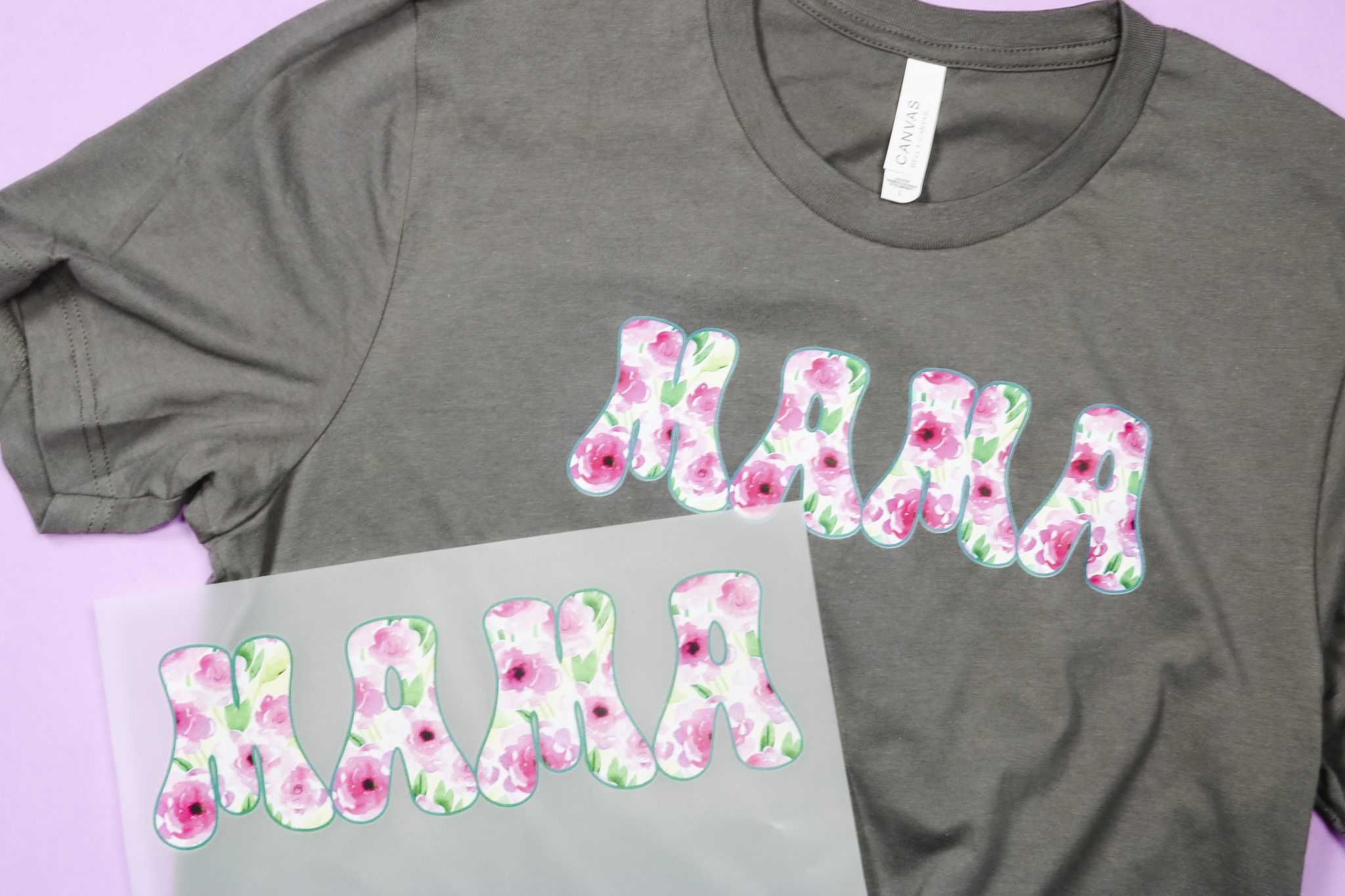
One of the easiest and safest options is to order your DTF transfers from someone like Ninja Transfers. This process eliminates having to own a printer, dealing with printer maintenance, and the other safety concerns I mentioned above.
DTF transfers are inexpensive, and the pressing process is the easiest step of the whole process.
In my opinion, unless you're intending to have a DTF printing business, the number of DTF prints you'd have to print to keep the printer performing correctly, and the maintenance required, would make it almost impossible to make it worth the cost of the printer vs. ordering transfers.
2. Use an Enclosed DTF All-in-One System
If you've looked at the cost and the process and have determined that having a printer at home is the right choice for you, investing in a fully enclosed DTF system is the route I would recommend.
These all-in-one systems automate the entire process. They print the design, apply the powder with an automatic shaker, and cure the powder in a ventilated oven.
Because the entire process is sealed and ventilated, these printers help manage the airborne powder particles and the fumes.
These systems are more expensive than traditional DTF printers, but they are designed with safety in mind, making them the only option I recommend.
What DTF Printer Would I Recommend?
I recently reviewed the xTool Apparel Printer, which is an all-in-one DTF printing system. I always said I wouldn't have a DTF printer in my craft space due to the safety concerns. When I found the xTool Apparel Printer, it felt like an option I could use in my home.
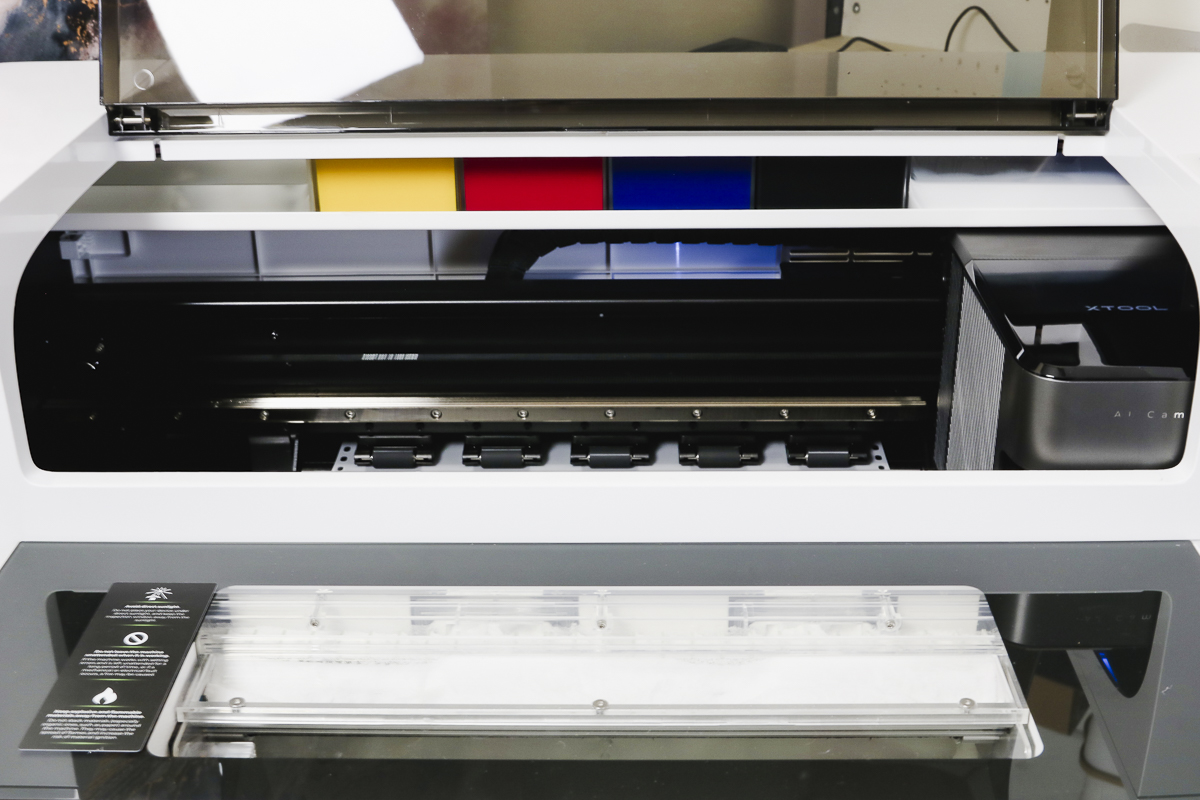
It is fully enclosed. It prints and then moves the print to the shaker, so the powder doesn't escape into the air during the powdering process. When the powder is applied, it drops into the curing oven.
The shaker and oven are enclosed and ventilated, making the process safe enough that I feel good about having it in my craft space.
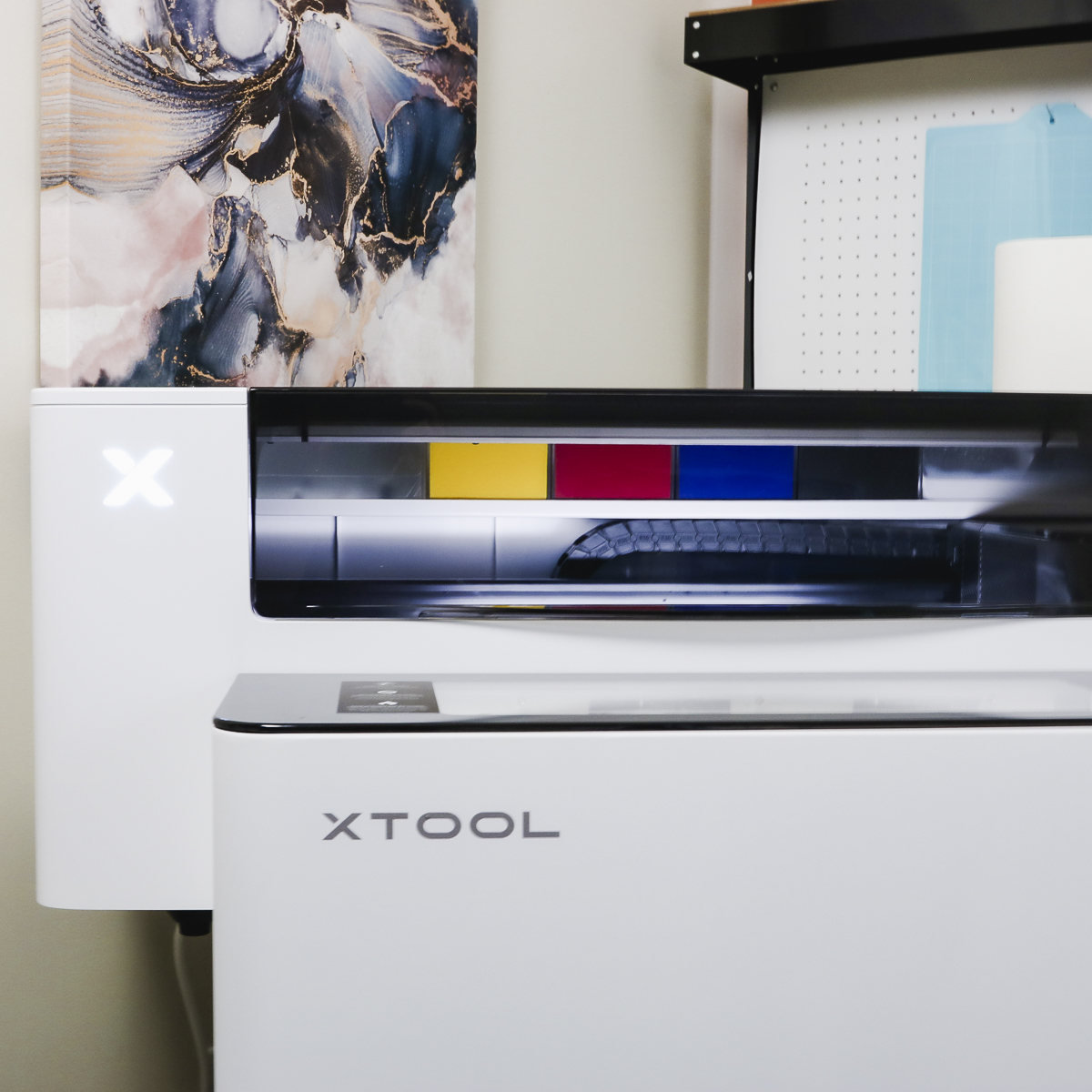
You can purchase the printer on its own, but I don't recommend it. To be as safe as possible, you'll need to purchase the bundle that includes the shaker oven and air purifier.
What to Look for in a Safe DTF Printing Setup
There are many DTF printers on the market. If you’re considering adding one to your craft room, these are the things I would look for:
- Fully enclosed adhesive powdering system
- Built-in curing oven with proper ventilation
- Minimal manual handling of powder
- Designed for safe indoor use
Avoid printers that require open-air, manual powdering, or curing with a heat press that doesn't include proper ventilation.
Check reviews. You're looking for a printer that is easy to use and gives consistent results.
With these more expensive printers, I like to purchase directly from the company or from a verified retailer. These printers usually come with a warranty, and purchasing directly typically makes it easier to get help if you have any issues.
Is at Home DTF Printing Right for You?
DTF projects and tutorials are popping up everywhere. The transfers are fun, easy to use, and can be a powerful tool for crafters, as long as you know the risks.
Before you begin, you need to understand how the entire process works, where the risks come from, and what you need to do to eliminate or minimize those risks.
Having this information will help you make the best, informed decision for your craft space and needs.
Crafting should never put your health or the health of the people/pets that enter your home or craft space at risk.
Take the time to do your research. Make sure you know the maintenance DTF printers require. You may find that even if you own a small business, ordering DTF prints may be a better option than purchasing a DTF printer for now.
I hope I've answered any questions you have about DTF safety. If you have any additional questions, leave them in the comments, and I'll be happy to answer them for you.